Buy datenbank.co.at ?
We are moving the project
datenbank.co.at .
Are you interested in purchasing the domain
datenbank.co.at ?
domain@kv-gmbh.de · 0541-91531010
Buy datenbank.co.at ?
How secure is the Enigma?
The Enigma machine was considered highly secure during its time due to its use of a complex system of rotors and plugboard to encrypt messages. However, it was eventually cracked by the Allies during World War II, largely due to the efforts of codebreakers at Bletchley Park, including Alan Turing. The cracking of the Enigma code played a significant role in the Allied victory. While the Enigma was secure against casual interception, it was ultimately not impervious to determined codebreakers. **
Who is Buddha?
Buddha, also known as Siddhartha Gautama, was a spiritual leader and teacher who lived in ancient India around the 6th century BCE. He is the founder of Buddhism, a major world religion that emphasizes the pursuit of enlightenment and the cessation of suffering. Buddha is revered as a wise and compassionate figure who achieved enlightenment and taught others how to find inner peace and liberation from the cycle of birth, death, and rebirth. His teachings, known as the Dharma, continue to inspire millions of people around the world to this day. **


Similar search terms for ENIGMA-Wealthy-Standing-Buddha
Top-Angebote
Products related to ENIGMA-Wealthy-Standing-Buddha:
-
Faber Enigma Variations by André Aciman - Fiction - PaperbackTitle:. Enigma Variations Format: Paperback Overview:. André Aciman’s Enigma Variations is a masterful work of literary fiction that transports readers to mid-twentieth-century Alexandria, Egypt. When an unnamed narrator returns to his family’s ancestral home after three decades away, he becomes entangled again with Nino, a charismatic former student who once influenced his brother’s youth. Spanning from the early 1950s to 1977, the novel unfolds through layered recollections, shifting timelines, and deeply observant reflections on friendship, mentorship, and memory. Unlike conventional historical narratives that hinge on dramatic political upheaval, this story lingers in the intimate spaces between people—the shared glances, the unspoken bonds, and the ways intellect shapes affection across continents. The prose remains luminous yet measured, tracing how a single city absorbs decades of cultural transformation. Whether you prefer character-driven stories about displaced communities or beautifully constructed interior lives, this paperback edition delivers an immersive experience balancing melancholy with steady warmth. Aciman crafts a precise portrait of a vanishing world, securing its place among essential contemporary literary novels.. What Makes This Book Stand Out:. What distinguishes this novel from typical romance is its unwavering focus on male friendship and intellectual mentorship. While Aciman gained worldwide recognition for a story about fleeting passion, this book examines something rarer: the way certain individuals permanently alter emotional development. The narrative flows seamlessly across decades, exploring how education, language, and location shape identity. Readers will connect with the careful depiction of Alexandria’s cosmopolitan peak, preserved here before geopolitical forces shifted its landscape. The structure mirrors genuine memory—circular, selective, and driven by quiet revelation rather than plot mechanics. Subtext carries immense weight, proving that emotional resonance rarely requires constant conflict. The reliable paperback format supports extended reading sessions, literary discussion groups, and quiet late-evening reflection. Complete in itself, it demands no familiarity with the author’s wider catalogue while delivering the lyrical precision that has defined his acclaimed career.. Who This Book Is Perfect For:. This title speaks directly to readers who crave atmospheric fiction with emotional restraint and intellectual depth. It suits sophisticated book clubs, admirers of modern cultural histories, and those who appreciate stories that prioritise psychological nuance over rapid pacing. Fans of literary realism, diaspora storytelling, and teacher-student dynamics will find immediate resonance here. The reflective tone makes it highly suitable for adults seeking contemplative reading experiences, while university-level humanities students will appreciate its handling of translation, displacement, and...9,99 £*Shipping: 2,99 £Secure redirect to the provider



-
How can I use Internet TV on Enigma 2?
To use Internet TV on Enigma 2, you can install a plugin called "IPTV Player" or "IPTV Bouquet Maker" on your Enigma 2 receiver. These plugins allow you to add IPTV channels and playlists to your Enigma 2 device, giving you access to Internet TV content. Once the plugin is installed, you can input the URL of the IPTV playlist or channels you want to watch, and then you can start streaming Internet TV on your Enigma 2 receiver. Keep in mind that you may need to have a stable internet connection and a subscription to an IPTV service to access Internet TV content on Enigma 2. **
-
Was Buddha an Indian?
Yes, Buddha was born in Lumbini, which is in present-day Nepal, but during his lifetime, the region was part of ancient India. Therefore, Buddha is often referred to as an Indian philosopher and spiritual leader. His teachings and influence spread throughout the Indian subcontinent and beyond, shaping the development of Buddhism as a major world religion. **
-
Did Buddha eat meat?
Buddha did eat meat, as it was a common practice in his time and region. However, he advocated for moderation and mindfulness in all aspects of life, including food consumption. He also emphasized the importance of compassion and non-harming, so he discouraged his followers from engaging in excessive or unnecessary killing of animals for food. Ultimately, the decision to eat meat or not was left to the individual's personal choice and ethical considerations. **
-
Did Buddha really exist?
Yes, historical evidence suggests that Buddha, also known as Siddhartha Gautama, did exist. He was a spiritual teacher who lived in ancient India around the 6th century BCE. His teachings formed the foundation of Buddhism, a major world religion that continues to be practiced by millions of people today. While some details of his life may be debated, the general consensus among scholars is that Buddha was a real historical figure. **


How did Buddha meditate?
Buddha meditated by practicing mindfulness and concentration. He would often sit in a cross-legged position, with his back straight, and focus on his breath or on a specific object. He would also practice walking meditation, where he would walk slowly and mindfully, paying attention to each step. Through these meditation practices, Buddha was able to cultivate a deep sense of awareness and insight into the nature of suffering and the path to liberation. **
What did Buddha look like?
Buddha is often depicted as a man with a serene and peaceful expression, with a bald head and long earlobes. He is typically shown wearing simple robes and sitting in a meditative posture. It is important to note that these depictions are artistic interpretations and may vary across different cultures and time periods. Ultimately, the physical appearance of Buddha is not as important as his teachings and the impact he has had on the world. **
Top-Angebote
Products related to ENIGMA-Wealthy-Standing-Buddha:
-
How secure is the Enigma?
The Enigma machine was considered highly secure during its time due to its use of a complex system of rotors and plugboard to encrypt messages. However, it was eventually cracked by the Allies during World War II, largely due to the efforts of codebreakers at Bletchley Park, including Alan Turing. The cracking of the Enigma code played a significant role in the Allied victory. While the Enigma was secure against casual interception, it was ultimately not impervious to determined codebreakers. **
-
Who is Buddha?
Buddha, also known as Siddhartha Gautama, was a spiritual leader and teacher who lived in ancient India around the 6th century BCE. He is the founder of Buddhism, a major world religion that emphasizes the pursuit of enlightenment and the cessation of suffering. Buddha is revered as a wise and compassionate figure who achieved enlightenment and taught others how to find inner peace and liberation from the cycle of birth, death, and rebirth. His teachings, known as the Dharma, continue to inspire millions of people around the world to this day. **
-
How can I use Internet TV on Enigma 2?
To use Internet TV on Enigma 2, you can install a plugin called "IPTV Player" or "IPTV Bouquet Maker" on your Enigma 2 receiver. These plugins allow you to add IPTV channels and playlists to your Enigma 2 device, giving you access to Internet TV content. Once the plugin is installed, you can input the URL of the IPTV playlist or channels you want to watch, and then you can start streaming Internet TV on your Enigma 2 receiver. Keep in mind that you may need to have a stable internet connection and a subscription to an IPTV service to access Internet TV content on Enigma 2. **
-
Was Buddha an Indian?
Yes, Buddha was born in Lumbini, which is in present-day Nepal, but during his lifetime, the region was part of ancient India. Therefore, Buddha is often referred to as an Indian philosopher and spiritual leader. His teachings and influence spread throughout the Indian subcontinent and beyond, shaping the development of Buddhism as a major world religion. **
Similar search terms for ENIGMA-Wealthy-Standing-Buddha
-
Faber Enigma Variations by André Aciman - Fiction - PaperbackTitle:. Enigma Variations Format: Paperback Overview:. André Aciman’s Enigma Variations is a masterful work of literary fiction that transports readers to mid-twentieth-century Alexandria, Egypt. When an unnamed narrator returns to his family’s ancestral home after three decades away, he becomes entangled again with Nino, a charismatic former student who once influenced his brother’s youth. Spanning from the early 1950s to 1977, the novel unfolds through layered recollections, shifting timelines, and deeply observant reflections on friendship, mentorship, and memory. Unlike conventional historical narratives that hinge on dramatic political upheaval, this story lingers in the intimate spaces between people—the shared glances, the unspoken bonds, and the ways intellect shapes affection across continents. The prose remains luminous yet measured, tracing how a single city absorbs decades of cultural transformation. Whether you prefer character-driven stories about displaced communities or beautifully constructed interior lives, this paperback edition delivers an immersive experience balancing melancholy with steady warmth. Aciman crafts a precise portrait of a vanishing world, securing its place among essential contemporary literary novels.. What Makes This Book Stand Out:. What distinguishes this novel from typical romance is its unwavering focus on male friendship and intellectual mentorship. While Aciman gained worldwide recognition for a story about fleeting passion, this book examines something rarer: the way certain individuals permanently alter emotional development. The narrative flows seamlessly across decades, exploring how education, language, and location shape identity. Readers will connect with the careful depiction of Alexandria’s cosmopolitan peak, preserved here before geopolitical forces shifted its landscape. The structure mirrors genuine memory—circular, selective, and driven by quiet revelation rather than plot mechanics. Subtext carries immense weight, proving that emotional resonance rarely requires constant conflict. The reliable paperback format supports extended reading sessions, literary discussion groups, and quiet late-evening reflection. Complete in itself, it demands no familiarity with the author’s wider catalogue while delivering the lyrical precision that has defined his acclaimed career.. Who This Book Is Perfect For:. This title speaks directly to readers who crave atmospheric fiction with emotional restraint and intellectual depth. It suits sophisticated book clubs, admirers of modern cultural histories, and those who appreciate stories that prioritise psychological nuance over rapid pacing. Fans of literary realism, diaspora storytelling, and teacher-student dynamics will find immediate resonance here. The reflective tone makes it highly suitable for adults seeking contemplative reading experiences, while university-level humanities students will appreciate its handling of translation, displacement, and...9,99 £*Shipping: 2,99 £Secure redirect to the provider
-
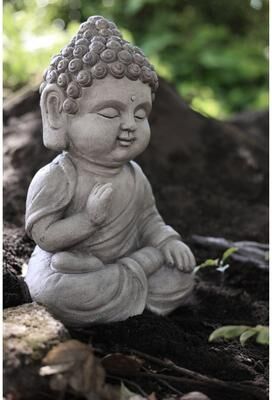
Kodotan sofa Magnesium Oxide Buddha Statue Weatherproof Buddha Sculpture Outdoor Garden Courtyard Decor OrnamentMade from high-quality magnesium oxide in a single-piece cast, it is sturdy yet lightweight, waterproof, freeze-resistant, and UV-resistant.147,49 $*Shipping: 0,00 $Secure redirect to the provider
-
Did Buddha eat meat?
Buddha did eat meat, as it was a common practice in his time and region. However, he advocated for moderation and mindfulness in all aspects of life, including food consumption. He also emphasized the importance of compassion and non-harming, so he discouraged his followers from engaging in excessive or unnecessary killing of animals for food. Ultimately, the decision to eat meat or not was left to the individual's personal choice and ethical considerations. **
-
Did Buddha really exist?
Yes, historical evidence suggests that Buddha, also known as Siddhartha Gautama, did exist. He was a spiritual teacher who lived in ancient India around the 6th century BCE. His teachings formed the foundation of Buddhism, a major world religion that continues to be practiced by millions of people today. While some details of his life may be debated, the general consensus among scholars is that Buddha was a real historical figure. **
-
How did Buddha meditate?
Buddha meditated by practicing mindfulness and concentration. He would often sit in a cross-legged position, with his back straight, and focus on his breath or on a specific object. He would also practice walking meditation, where he would walk slowly and mindfully, paying attention to each step. Through these meditation practices, Buddha was able to cultivate a deep sense of awareness and insight into the nature of suffering and the path to liberation. **
-
What did Buddha look like?
Buddha is often depicted as a man with a serene and peaceful expression, with a bald head and long earlobes. He is typically shown wearing simple robes and sitting in a meditative posture. It is important to note that these depictions are artistic interpretations and may vary across different cultures and time periods. Ultimately, the physical appearance of Buddha is not as important as his teachings and the impact he has had on the world. **
* All prices are inclusive of VAT and, if applicable, plus shipping costs. The offer information is based on the details provided by the respective shop and is updated through automated processes. Real-time updates do not occur, so deviations can occur in individual cases. ** Note: Parts of this content were created by AI.